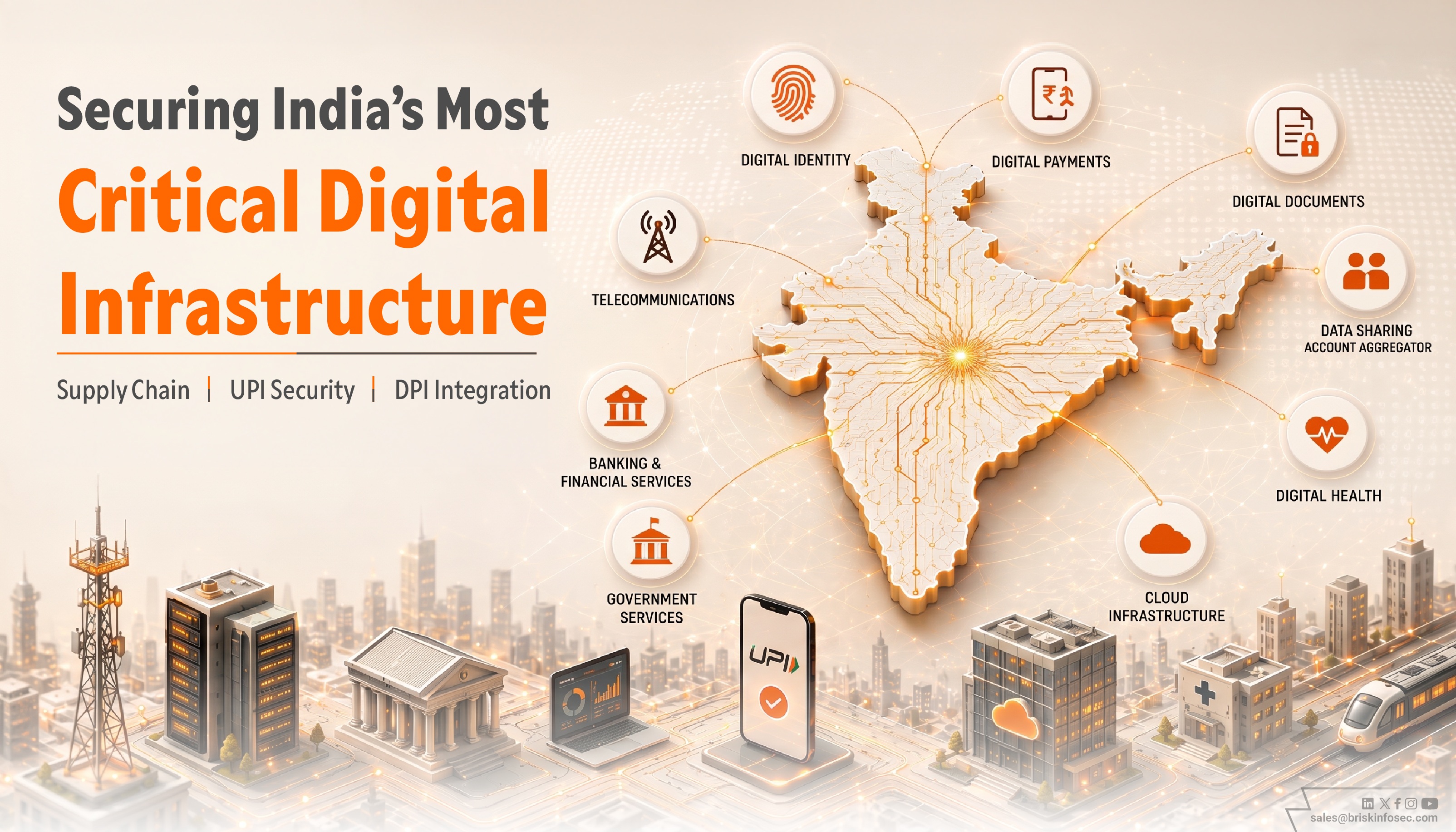
India has built digital infrastructure that the rest of the world studies: Aadhaar for identity, UPI for payments, the Account Aggregator framework for consented financial data sharing, and DigiLocker for documents. Hundreds of millions of users interact with these systems daily, and transaction volumes dwarf what most countries process in a year.
But scale and interconnection concentrate risk. Three domains sit at the centre of that risk picture: the multi-tier vendor supply chain beneath every regulated Indian enterprise, the boundary layers surrounding the UPI payments stack, and the long tail of integrators participating in India’s Digital Public Infrastructure. All three require immediate attention from CISOs, security architects, and risk leaders.
Why India’s Vendor Supply Chain Is a Critical Security Priority
The Telco Model: A Preview for Every Regulated Industry
Indian telecommunications operators sit at the apex of a vendor pyramid most other sectors have not yet examined. Network equipment manufacturers, system integrators, software vendors, and open-source maintainers all sit beneath them. TRAI, the Department of Telecommunications, and CERT-In hold the operator responsible for every flaw at every tier, regardless of where it originated.
Telco vendor audit programmes reveal a pattern every regulated enterprise should recognise. Tier 1 OEM relationships are governed through annual reviews. Tier 2 integrators receive pre-contract questionnaires but little ongoing scrutiny. Tier 3 software vendors are assessed only via their SOC 2 report. Tier 4, the open-source libraries that underpin everything, are frequently not audited at all.
That is where the real risk lives. In a recent telco vendor assessment, five of seven unpatched critical CVEs traced back to a single integrator’s default build configuration, where an unaudited open-source library had been quietly included for years. That integrator’s contract was reopened immediately.
“We used to audit vendors. Now we audit vendors of vendors. By next quarter, we will be auditing the open-source libraries vendors of vendors use. Each step down the chain finds something we did not know.”
The Four-Tier Audit Framework
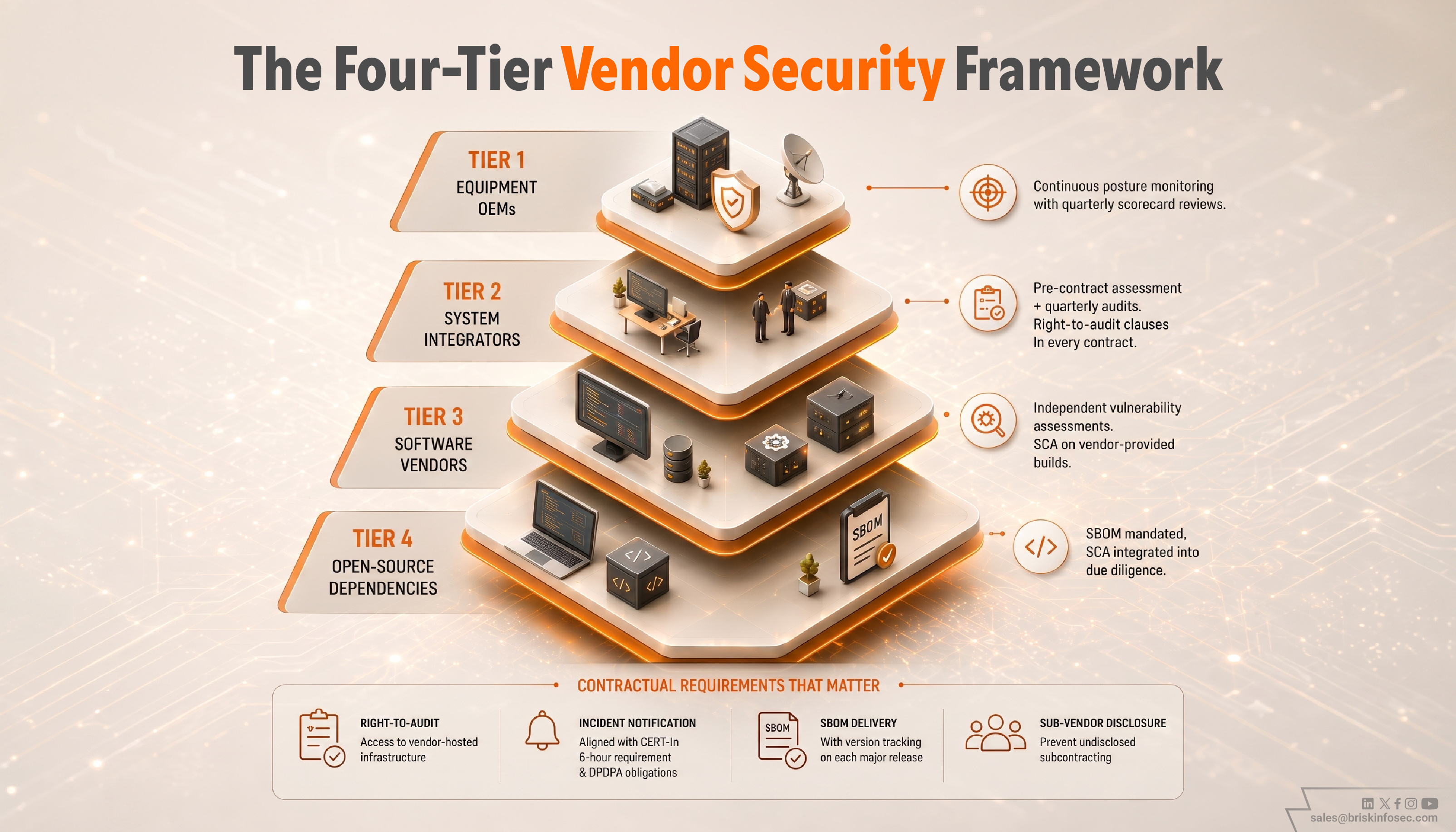
Leading Indian telcos are now operating a structured four-tier audit model that every regulated enterprise should adapt:
- Tier 1 (Equipment OEMs): Continuous posture monitoring replacing annual reviews, with quarterly scorecard meetings on both sides.
- Tier 2 (System Integrators): Pre-contract assessment plus quarterly audits. Right-to-audit clauses standard on new contracts and being retrofitted on renewal.
- Tier 3 (Software Vendors): Independent vulnerability assessments replacing sole SOC 2 reliance. SCA run against vendor-provided builds.
- Tier 4 (Open-Source Dependencies): Library inventory and SBOM mandated as contractual deliverables, with SCA integrated into due diligence.
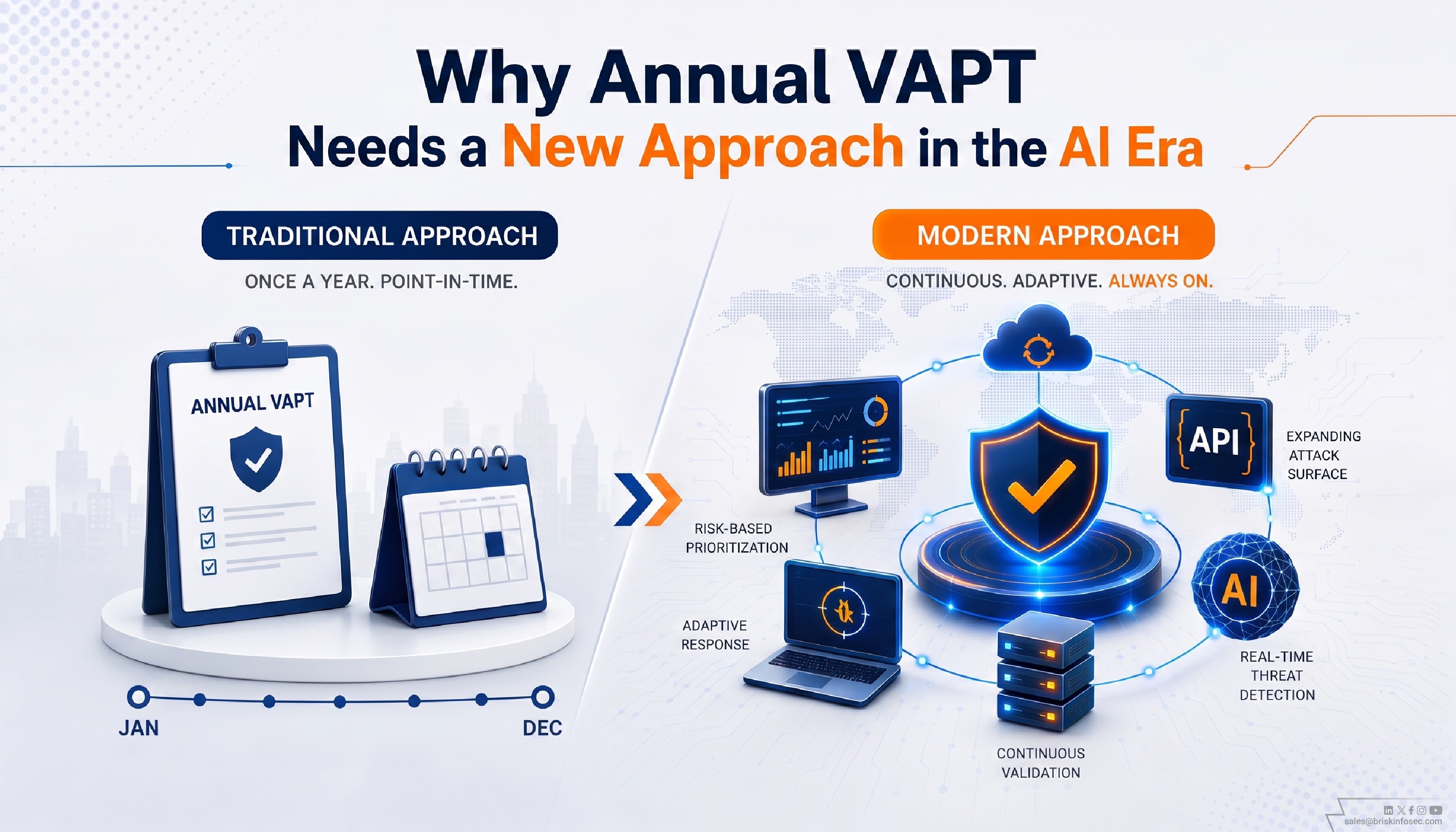
Mid-market enterprises operate effectively at three tiers. The principle holds at every size: your vendor’s vendor is your problem, and so are their open-source dependencies. Every Indian regulated enterprise will confront this reality within twelve months.
Contractual Requirements That Cannot Be Deferred
Contracts updated on renewal must include:
- Right-to-audit provisions covering vendor-hosted infrastructure
- Incident notification timelines aligned with CERT-In’s six-hour requirement and DPDPA obligations
- SBOM delivery with version tracking on each major release
- Sub-vendor disclosure requirements preventing undisclosed subcontracting
The SBOM request is no longer exotic. Vendors with mature security practices already produce them. Those who resist are communicating something about their posture that organisations need to know before signing.
UPI in the Crosshairs: Threat Modelling India’s Payment Stack
The Protocol Is Robust. The Ecosystem Around It Is Not.
UPI handles more transactions in a day than most countries process in a year. NPCI’s core switching infrastructure is among the best-defended systems in Indian digital finance. Sophisticated adversaries do not breach it directly. They probe the boundary layers: PSP backends with less mature security operations, UPI app clients with token reuse issues, and bank core integrations with weak rate-limiting.
The risk requires no single critical vulnerability. It needs a sequence of medium-severity findings that individually would not escalate but together enable significant fraud:
- Authentication token reuse in a UPI app, enabling session persistence beyond its intended boundary
- Privilege escalation to an internal PSP API not designed for external access
- Customer identifier enumeration through an under-protected API endpoint
- High-volume, low-value transaction injection calibrated below fraud-detection thresholds until material sums are moved
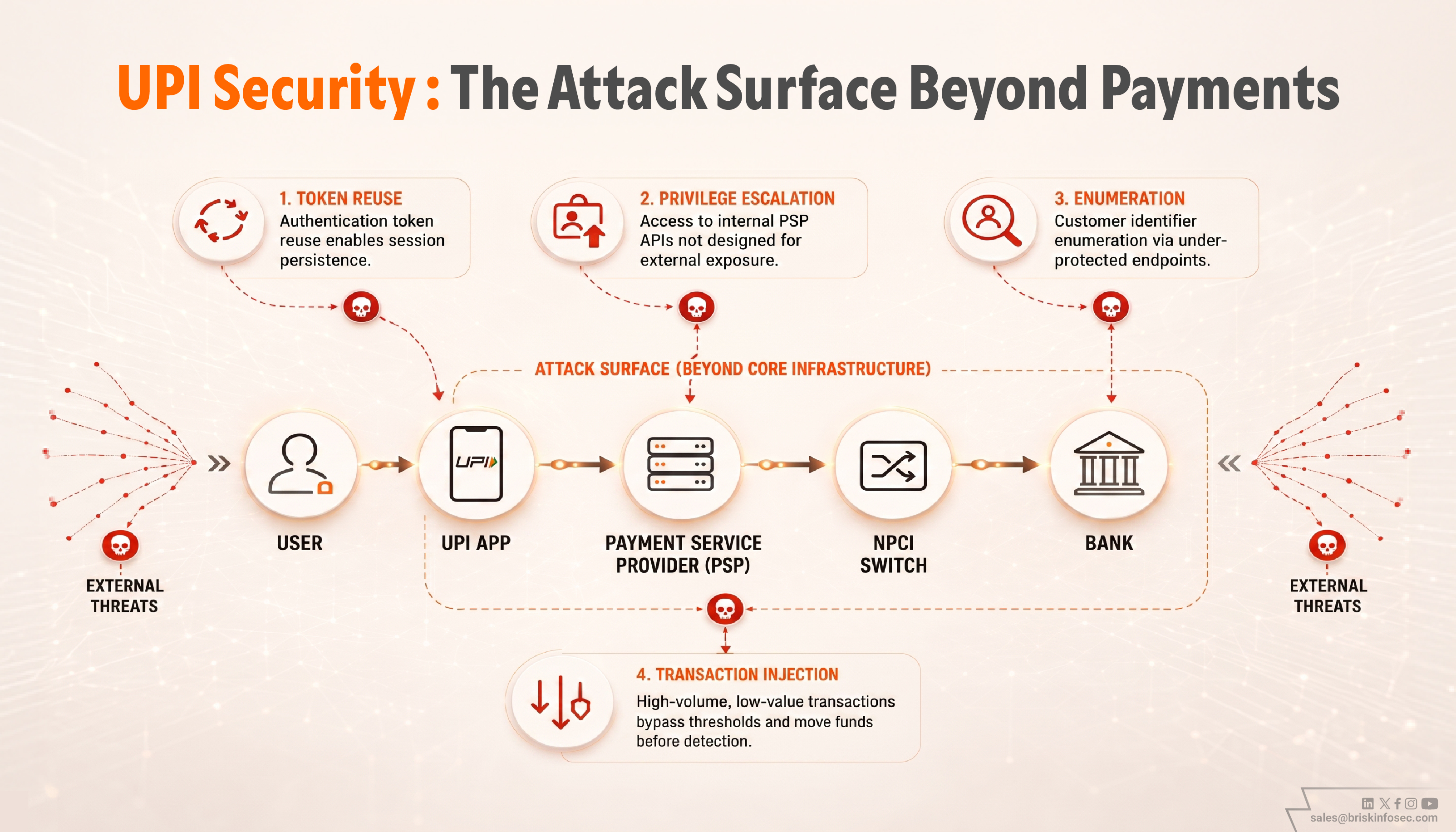
Each step rates medium severity in isolation. Together, they bypass two detection layers before a human analyst notices. A private bank’s red-team exercise found exactly this four-step chain using only known, unpatched bugs in the customer-facing app and a vendor integration. The bank rescoped its testing programme the following Monday.
UPI is not the vulnerability. The hundred boundary layers around UPI are.
Six Controls Every UPI Participant Must Re-Audit
- Authentication token lifecycle: Tokens must be short-lived and not reusable across privilege boundaries. Long-lived tokens that remain valid for internal API access after a customer session has ended are the most common failure mode.
- Rate-limiting architecture: Limits applied only at login or OTP entry do not prevent transaction enumeration or low-and-slow fraud. Rate-limiting must cover the entire transaction lifecycle, including inquiry and status endpoints routinely overlooked.
- API enumeration protection: Customer identifier endpoints must resist guessing attacks. Sequential identifiers, predictable formats, and error responses that distinguish account-not-found from wrong-credential all contribute to enumeration risk.
- Fraud model validation: Legacy fraud detection was tuned against human-operated patterns. AI-generated sequences can be calibrated to stay below detection thresholds. Fraud models must be validated against synthetic transaction patterns, not only historical data.
- Vendor integration security: Payment gateways, notification services, and reconciliation platforms each represent a supply-chain entry point. The multi-tier audit framework applies directly.
- Incident response harmonisation: A UPI incident can simultaneously trigger obligations to NPCI, RBI, CERT-In, and DPDPA authorities. A pre-built, tested runbook covering all four is not optional.
India’s Digital Public Infrastructure: Brilliant Design, Long-Tail Risk
Why DPI Concentrates Risk Unlike Any Other System
India’s DPI was designed for inclusion at scale, and that goal was achieved. But it means the participant base runs from UIDAI’s central infrastructure down to small regional banks, health-tech startups, state portals, and financial information users who integrated once and never revisited their implementation.
Three properties create concentrated systemic risk. Scale means a flaw in any component affects hundreds of millions of users. Interconnection means compromise propagates: Aadhaar authenticates UPI users, Account Aggregator references Aadhaar data, DigiLocker stores Aadhaar-linked documents. Software-mediated consent means the legally valid consent layer is code parsed by organisations with highly variable maturity. Digitally signed artefacts can still be manipulated at parsing if the Financial Information User’s implementation is weak.
The Long Tail Is the Attack Surface
UIDAI’s central infrastructure is not the likely attack entry point. The entry point is the mid-tier bank whose e-KYC integration was built in 2019 and never updated, the small FIU whose Account Aggregator integration was handled by a team that has since moved on, or the state portal connecting to DigiLocker through an API no one has tested against current specifications.
A digital-identity architect put it precisely at a post-SEBI-circular panel: the failure point will not be UIDAI. It will be the small AUA nobody has audited in three years. Two audience members rescoped their audit calendars the following week.
Practical Priorities Across Each DPI Pillar
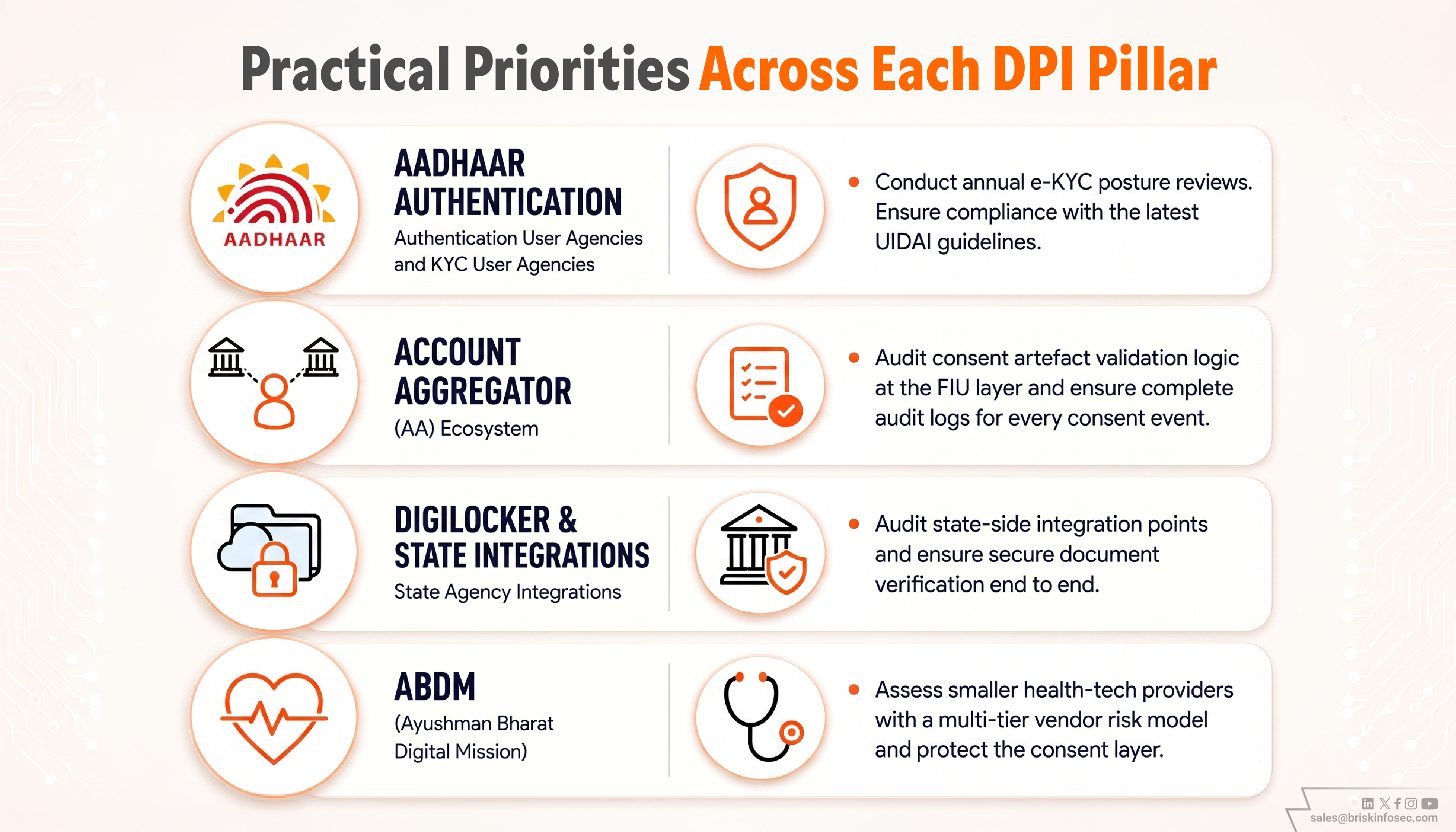
- Aadhaar authentication: Authentication User Agencies and KYC User Agencies should conduct annual e-KYC posture reviews. Older implementations handling Aadhaar data inconsistently are a known adversarial target. Compliance must be verified against current UIDAI guidelines, not the version in place at initial integration.
- Account Aggregator: The consent artefact validation logic at the FIU layer requires specific attention. Audit the parsing implementation, not only API connectivity. Validate that audit logs are complete enough to reconstruct a contested consent event.
- DigiLocker and state integrations: State agency integrations carry the most variable security posture in the DPI ecosystem. Organisations relying on DigiLocker for document verification must audit state-side integration points, not only their own.
- ABDM: Health data infrastructure is earlier in its maturity curve than UPI or Aadhaar. Smaller health-tech providers in the ABDM ecosystem should be assessed with the same multi-tier vendor risk model. The consent layer in health data is especially sensitive.
Regulatory Alignment: What Auditors Will Expect
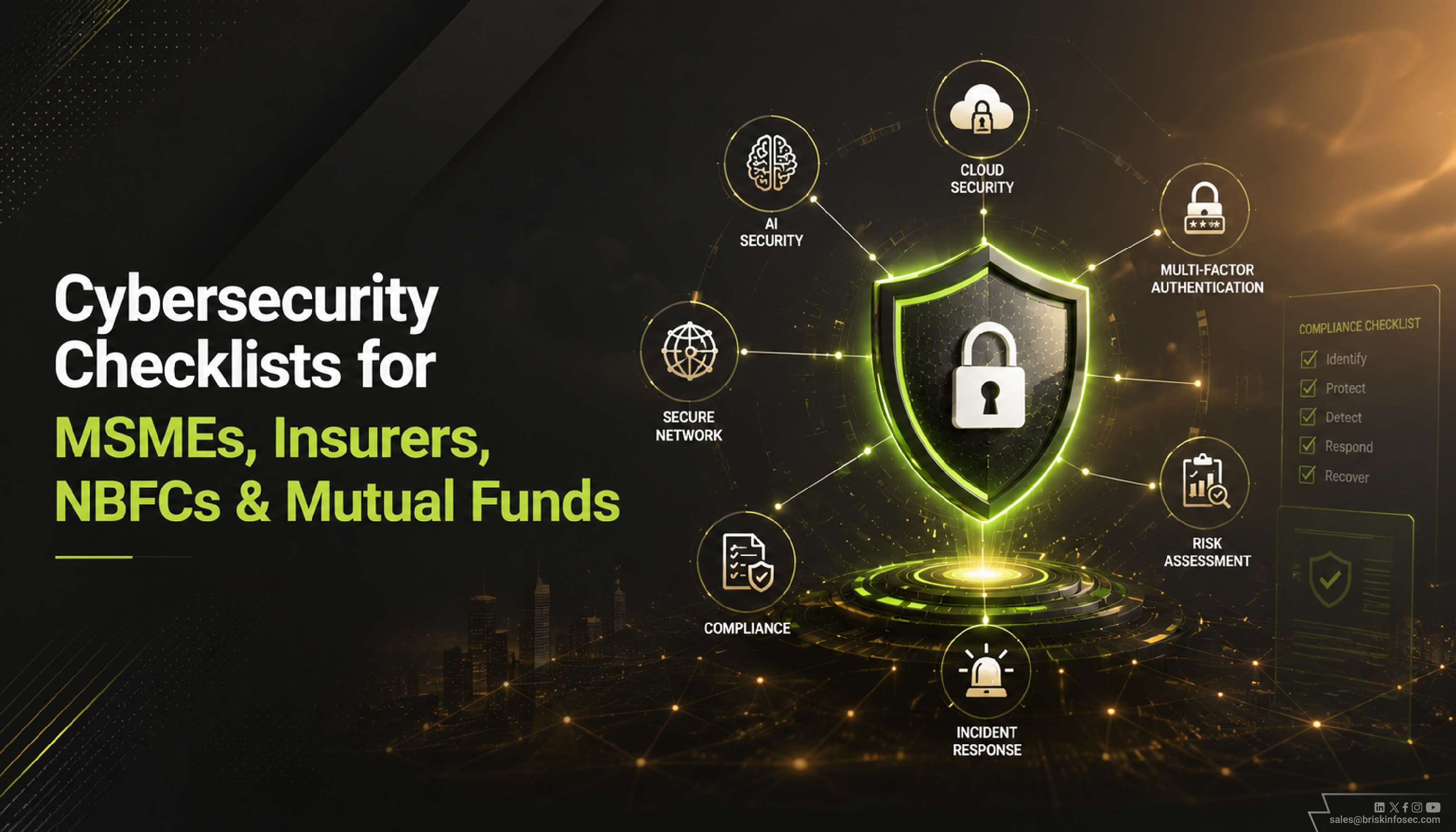
CERT-In’s incident reporting directions, DPDPA’s breach notification requirements, RBI’s IT master directions, SEBI’s cyber resilience framework, and NPCI’s security guidelines all converge on the same expectations: treat supply chain risk seriously, audit continuously, and harmonise incident response across regulatory jurisdictions.
CISOs who have not mapped vendor risk, UPI controls, and DPI integration posture against these requirements simultaneously are carrying unexamined regulatory exposure on top of their technical risk.
MITRE ATT&CK’s T1195 techniques structure vendor audit scope. OWASP API Security Top 10 applies directly to PSP backend assessments. NIST SP 800-161 is substantively applicable to Indian multi-tier vendor programmes.
Conclusion
India’s digital infrastructure success is real, and so is its expanded attack surface. The vendor pyramid beneath every regulated enterprise contains risk most organisations have not fully mapped. UPI’s boundary layers hold medium-severity findings that, when chained, enable material fraud. India’s DPI has a long tail of integrators whose security posture has not kept pace with adversaries probing the stack.
The telco vendor-audit programme is a leading indicator for every regulated industry. UPI threat-modelling is not optional for any bank or PSP. DPI participation must be treated as a regulated security obligation, not a technical convenience.
Organisations that act now will be materially stronger when regulators, auditors, and adversaries arrive simultaneously. Acting early costs little. Discovering these gaps through an incident cost far more.
Frequently Asked Questions
1. How many vendor tiers should my organisation audit?
Mid-market enterprises need a three-tier model: direct vendors, significant sub-vendors, and open-source dependencies via SCA. Larger enterprises in banking, fintech, and telecoms benefit from the full four-tier model with SBOM as a contractual deliverable.
2. Is UPI itself the risk, or the surrounding ecosystem?
UPI’s core protocol and NPCI’s infrastructure are robust. The risk sits in PSP backends, UPI app clients, bank core integrations, and third-party vendor surfaces where medium-severity findings chain into material attacks.
3. What does DPDPA require for vendor risk management?
Contracts must include data processor agreements, incident notification clauses aligned to DPDPA timelines, and explicit audit rights. SBOM requirements apply where vendors process personal data.
4. How often should UPI security be assessed?
Quarterly structured reviews of the six control areas, with full red-team exercises at least twice annually. Annual cycles are no longer adequate given the pace of AI-assisted fraud techniques.
5. What is the first action for any DPI participant?
Map all active integrations across Aadhaar, UPI, Account Aggregator, DigiLocker, and ABDM, and flag any not formally reviewed in two years. Older implementations against outdated API specifications are the most likely adversarial entry points.